Media Institutions
Media Studies has a lot of fairly difficult 'Key Concepts', one of these particular concepts is ‘Media
Institutions’.
It can help to think about what it
means when a concentration of media
companies, those that can manufacture high quality media texts and
products and distribute them widely and easily, lies in just a few hands. These companies are called
‘media institutions’.
An institution is something that plays a major role in people’s lives in society. This could include, family, NHS, and the School; these
are all considered ‘institutions’. The media plays a big part these
days in basically everyone's lives.
There is however a key difference between family, the health service, school, and media companies. The first three are there to 'serve' us; the last works to serve its shareholders.
It’s a fact that most of the media is
owned by just a handful of companies
and individuals. E.g. In the USA, there are five large corporations or 'institutions' that control nearly all the ‘visual media’ seen by the American public, such
as television, films, etc.
An example of someone who owns such an Institution is Rupert
Murdoch. Rupert is the CEO of the News Corporation; the News Corporation owns a series of Newspapers as well as a selection of other companies.
Concentration of Media:
Some critics argue that a having one individual/corporation have control over a wide range of media offers that individual/corporation a huge level of influence
and power to whoever views their media. Concentration of ownership in itself can act like a media ‘gatekeeper’. For example, in the music industry there are just two or three worldwide
corporations that dominate music sales worldwide.
Media
texts are entertaining, and to some people, very persuasive. The question is,
are they persuading us to believe that what they are telling us is the truth?
If one person owns a great deal of the
media, that person then has the power to limit points of views which the media shows to the public to those that are
sympathetic towards certain stories/values which are seen in the media; these values are prone to fit into the ‘way things are’.
Production Expense:
To create the kind of 'high quality' media that we know, a great deal of money is
required. And it’s in the media’s interests to keep it that way, so we continue viewing that particular media text. They employ the best people and the
best equipment to create the highest quality media texts.
Advertising:
A lot of media companies rely on selling advertising space to cover the high costs which goes into distribution
and production. If a magazine loses its major
advertisers, it goes out of business. This is because magazines/newspapers use advertising to make their money as the newspaper don't particularly cost a lot, they need to make money from some where else.


 U - This was the first official BBFC rating, it stands for Universal and states that the film is suitable for everyone.

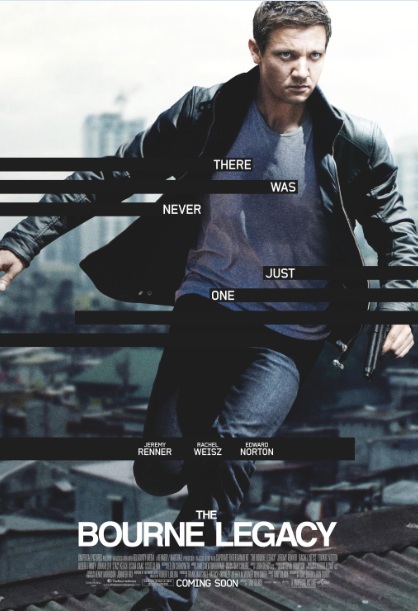
 Another Thriller film which portrays men in this sort of way is Die Hard. John McClane (Bruce Willis) is an officer on the NYPD and after his wife and others are taken hostage at the Nakatomi Plaza, John attempts to save them.
