Monday, 30 September 2013

Typecasting of Actors

Typecasting of Actors
In TV, Film and often Theatre Typecasting is the process in which an actor is recognised/identified as a certain character. Typecasting has become such a problem with some Actors that it has made it hard for them to find any jobs which strays away from their usual character in films. Characters occasionally reject certain film roles, just so they are not typecast with that particular actor; they also choose to play a role which goes against their usual character. Jim Carrey for example, often portrayed as funny/comedic in his films (e.g. Liar, Liar and Bruce Almighty), appeared in a film called The Number 23, in which his character becomes obsessed with a novel that he believes was written about him.
One of these particular actors is Jennifer Aniston, who often stars in Romantic Comedies. This is a Hybrid Genre and you can find out more about that on my blog. Jennifer Aniston has been acting for almost 20 years and people still don't know the full capabilities of her as an actress. This is of course down to the fact that she plays the same type of character in the majority of films she has been in.
She has appeared in films such as Just Go With It, The Break-Up, Love Happens, Rumour Has It and Along Came Polly, all of which she plays a character in which she..
  • Needs to move on to another man
  • Fight the one that she is already with
Admitted she has played other roles which stray away from her usual character, for example she plays a nymphomaniac in the film Horrible Bosses, but the above roles are the ones which Jennifer Aniston was and still is usually "typecast" as.

1353935604Perhaps the most typecast actor of all time is John Wayne. He is of course a legend in cinema, but he played the same roles in almost every film he did, The Cowboy Protagonist.  If there was ever a need for a heroic, stoic cowboy in a film, Wayne was the guy to go to during Hollywood's Golden Age

The first film he starred in, in which he played the Cowboy Protagonist was Stagecoach, following this film there were many others, including True Grit, They Were Expendable and Red River.

John Wayne also starred in WW2 Propaganda films, and the best part was that he barely changed his acting approach when going from 19th century cowboy to 20th century soldier. He was always the stereotypical macho leader who would fight against injustice and save anyone in need.

One aspect of typecasting which is also worth mentioning is that fact that it helps sell a film. In the case of Jennifer Aniston, I mentioned that she is known for her roles in various Romance Comedies, so having her typecasted in a Romantic Comedy will attract an audience because they like the characters she portrays in this particular genre of film. People are likely to go see a film if their favourite actor/actress is cast in it, so having them typecasted in the same roles ensure the same audience will keep coming back.


Monday, 23 September 2013

Narrative Devices

Narrative Devices
 
Comprehending Time:

Very few screen stories take place in real time. Whole lives can be dealt with in the 90 minutes of a feature film, an 8 month siege be encompassed within a 60 minute TV Documentary. There are many conventions to denote time passing, from the time/date information typed up on each new scene of X-Files to the aeroplane passing over a map of the continent in Raiders of the Lost Ark.


Ways in which time can be manipulated in Narrative:
  • Flashbacks
  • Dream Sequences
  • Repetition
  • Different Characters Point of View (POV)
  • Flash Forwards
  • Real Time Interludes
  • Pre-Figuring of Events that have not yet taken place.
Levi-Strauss' Narrative Devices:
  • Claude Levi-Strauss' built upon philosopher Aristotle's statement that "all drama is conflict" with his Theory of Binary Oppositions. Strauss said that all stories are 'Accelerated forward by conflict which is caused by opposing characters or events'.
  • Opposites within a storyline are extremely important in a successful story, as drawing two different worlds or characters together inspires conflict and interesting narrative.
  • Therefore the presence of binary opposition in film is an important one, as the differences within the world of the story collide and create a disturbance for which a solution must be found. It also helps to create and distinguish between character roles, for there cannot be a hero without a villain.
Barthes Narrative Devices:
  • Roland Barthes proposes that there are codes within film which serves t o engage audiences.
  • The Enigma Code generates and controls what information a viewer is aware of within a narrative and holds their interest throughout the film. It introduces problems or puzzles which must be solved as well as mysteries which must be uncovered.
  • The Action Code refers to events which occur that the viewer immediately can identify as being significant to the development of the narrative. Resolution may be achieved through action also.
Todorov Narrative Devices:
  • Tsvetan Todorov presents us with his theory, which is based on his study of folk tales, that implies all mainstream film follows a similar narrative structure to each other. It consists of five stages and is known as Todorov Theory of Narrative.


Todorov 5 Theories of Narrative:
  • Equilibrium - The introductory setting is established, with key characters appearing and the story line is set up. This part of the story shows the balance in the lives of the characters before stage two occurs.
  • Disruption - Oppositional characters are introduced and the story takes a particular direction.
  • Recognition - The recognition of the disruption, the characters lives and the events are combined and sop we are able to see the effect the events could have on the characters. This is the part where Todorov believes the tensions constantly builds and this section is the longest in the film.
  • Repair - Repair/Attempts to Repair the damage from the disruption, the highest point of tension in the film, after which comes a change in dynamic.
  • New Equilibrium - Where everything is restored but adapted to the new dynamic, problems are all solved and loose ends are tied.
Propp Narrative Devices:
  • Vladimir Propp also proposes a narrative structure which is similar to Todorov's, but slightly more detailed and complex. Preparation - Introduction to the Story.
  • Complication - Keys or clues to the direction of the story.
  • Transference - The Donor Events
  • Struggle - Dealing with  the complications
  • Return - Back to "home" however there are still issues remaining
  • Recognition - Loose ends are tied up.
This ties in directly with Propps Character Theory. This identifies more character roles than the previously obvious Protagonist (Hero) and Antagonist (Villain). He states the importance of "spheres of action" for each character as opposed to rigid character types, with one role. Propp identifies seven main roles:
  • The Villain
  • The Donor - Prepares the Hero or gives them a magical object.
  • The (Magical) Helper - This role helps the Hero throughout his quest.
  • The Princess - Object of the heroes desire, sought for during the narrative.
  • The Princess' Father - Rewards the Hero.
  • The Dispatcher - A role to send the Hero off.
  • The Hero (Victim/Seeker) - Reacts to the Donor, weds the Princess and completes the quest.
  • The False Hero, Unsurper/Anti-Hero

Wednesday, 18 September 2013

Sub-Genres

Sub-Genres

Sub-Genres are identifiable sub-classes, almost like a sub-heading, within the larger film genre, with their own distinctive subject matter, style, formulas and iconography. Simply, a genre within a genre.

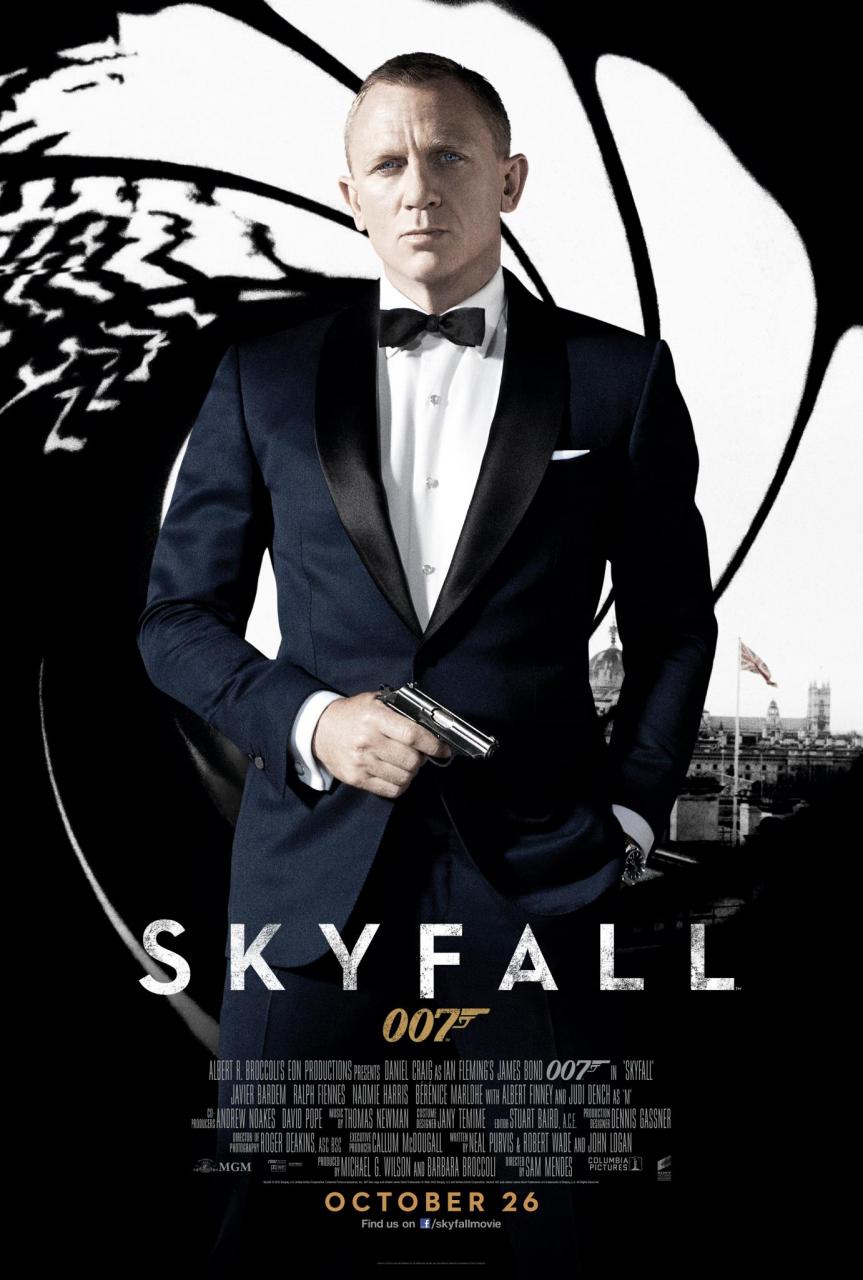
Think about the film 'Skyfall'.. We call this Action Adventure. Some Action Sub-Genres include:
  • Spy
  • Espionage
  • Political Thrillers
  • Martial Arts Films
  • Races Against Time

Another example of a Sub-Genre is within Dance Music; within Dance music we have sub-genres like Garage, Drum+Bass, Jungle, Rave and many more.

--------------------------------------------------------------------------------------------------------------------------
Super-Heroes on Film

Getting back to the film side of things, some more Sub-Genres you may recognise are..
    Thriller - Suspense Films
  • Disaster (Sub-Genre of Action Films) -
  • Detective and Mystery (Sub-Genre of Crime/Gangster Films)
  • Film Noir (Sub-Genre of Crime/Gangster Films)
  • Melodramas (Sub-Genre of Drama Films)
  • Superheroes (Sub-Genre of Fantasy-Action Films)
  • Thriller/Suspense (Sub-Genre of  Horror, Action, Western & many more Films)
..and there are many more you are likely to know if you got told them.


--------------------------------------------------------------------------------------------------------------------------

Although cinema movies are classed as specific genres (e.g. Horror, Action Adventure, Comedy), technically these films are more than likely going to Sub-Genres of that base genre.

Monday, 16 September 2013

Narrative

Narrative
 
While the term 'narrative' certainly is not used as commonly as 'story', most people know that it refers, in some way, to stories; in fact stories are endemic to our lives..
  • The structure and organisation of media texts e.g. story
  • Narrative chain of cause and effect - the plotlines in a story that are triggered by action and enigma codes (something happens that causes something else to happen).
  • Narrative is correlated with genre - some genres have typical storylines.
-------------------------------------------------------------------------------------------

Narrative Enigmas:
  • Codes which limit audience info - a puzzle to be solved e.g. "who, what, why, when, where, how?"
  • Purpose - engages audience attention, maintains curiosity and intrigue the narrative chain of cause and effect.
  • Crime Drama - Enigmatic, 'Investigative' narrative.
-------------------------------------------------------------------------------------------

Narrative Themes:
  • Social issues which are exploited within the media text e.g. family values, social class, sexuality.
  • Narrative themes tend to be explored by the Horror and Crime Drama on a more manifest level because the narrative tends to be more simplistic and encoded with entertainment values.
-------------------------------------------------------------------------------------------
 
Narrative Structure:
  • The structure and format of the storyline e.g. closed/open, three act structure, four act structure, linear/non linear, asynchronous, single stranded/multi-stranded.
  • Hollywood Film - typically, many texts have a single stranded, closed, 3 act structure.
-------------------------------------------------------------------------------------------

Narrative Theory:
  • Claude Levi-Strauss: theory related to Binary Oppositions.
  • Binary Oppositions are a way of understanding the Narrative in media texts.
  • Crime Drama Binary Oppositions: Murderer vs. Investigator, Right vs. Wrong, Good vs. Evil..
Technical Code:
  • Verbal Code - way an image is conveyed
  • Symbolic Codes
  • Character - sidekick, mentor, villain, heroine
  • Narrative Conflict opposing forces, rich and poor, love and hate

 
 Narrative Film Examples:
  • A good example of a film which utilizes Narrative well is Watchmen - The narrative begins with the murder of a former costumed vigilante known as the Comedian, who has uncovered a secret plot by fellow retired superhero Adrian Veidt to unite world superpowers through nefarious means. 


Hybrid Genre

Hybrid Genre

What is a Hybrid Genre?


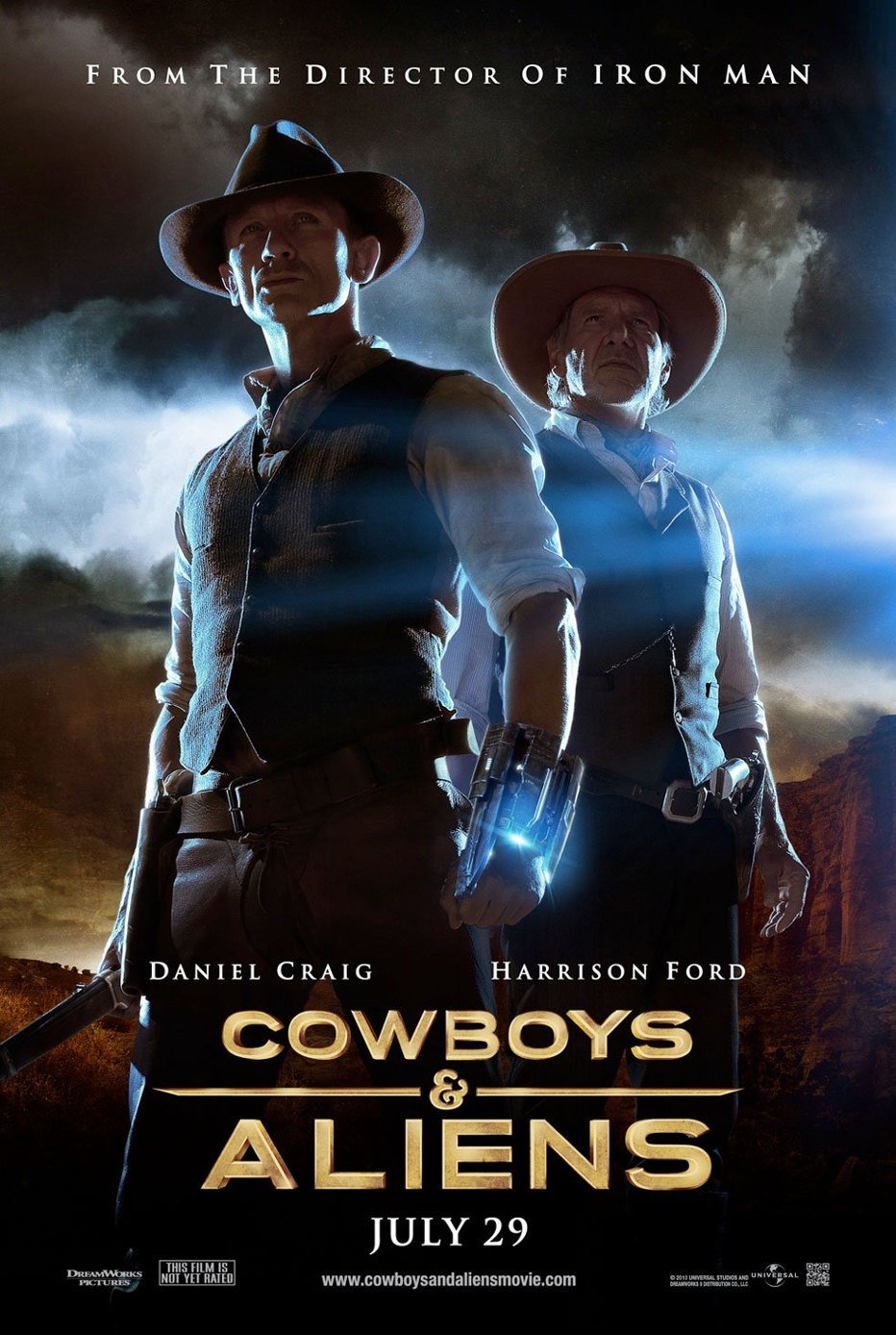
A Hybrid is a combination of two or more genres.. Hybrids can have larger audiences due to appealing to more people through their multiple genres, for example, Cowboys and Aliens a Hybrid between Western and Sci-Fi. This would be more lucrative for the film companies. Some people consider them to be more exciting and creative.

Hybrid Theory’s which can also be referred to as cross media due to the nature of the theory being that it means two or more genres are merged together, e.g. a horror genre and a action genre hybrid genre would suggest that there will be horror scenes in the film as well as action scenes. This could attract more people to watch a particular film because there is two genres in one film, therefore appealing to a wider audience. This could also mean more value for money due to two genres in one film, because normally you would only be getting one genre, e.g. a comedy genre etc.  Hybrid Theory’s has been said to be the future of marketing as well as socialising. This is due to being able to communicate to the audience in various amount of ways, e.g. speaking.  This has also been said to be more exciting and creative when watching films due to having more involvement in the film.
Examples of Hybrid Genres:
  • Romantic Comedy (e.g. Romance and Comedy)
  • Comedy drama (e.g. Comedy and Drama)
  • Action Comedy (e.g. Action and Comedy)
  • Romantic Fantasy (e.g. Romantic and Fantasy)   
  • Horror drama (e.g. Horror and Drama)
------------------------------------------------------------------------------------------------------------------------------------------------------------------------------------

As horror movies are very popular, film-makers might start with a set of horror paradigms to guarantee audience interest, before throwing other tropes into the mix.

This gives us genre hybrids like:
  • Horror Romance (e.g. Twilight)
  • Horror War (e.g. R-Point, Dead Snow)
  • Horror Historical Drama (e.g. Pride and Prejudice and Zombies)
  • Horror RomCom (e.g. Shaun of The Dead)
"Genres are not static, but they evolve. Therefore, their common attributes change over time. Most films are hybrid genres, since they possess the common attributes of more than one genre."
By Warren Buckland

-----------------------------------------------------------------------------------------


Case Study on a Genre (The Western Genre)

CASE STUDY ON A GENRE
Genres haven't always been the way you see them today, Horror for example. Back when the first Horror films were coming out obviously they were scary for people. However if the same type of plots were used constantly, people would become bored with seeing the same types of things happening again and again. You would be disappointed if the last Horror film you saw had almost exactly the same type of plot as the one you just went to watch; therefore the genre has to adapt and change.
You don't want a film which is exactly like another - in the same genre; you want one with the typical conventions of that specific genre except with a twist. You would not be particularly very scared if you knew which characters were going to die first or where the killer was going to come out from. This is why genre's need to be modernized or innovated.
If genre's were to stay the same they would cease to exist, only to resurface later on with something which separates it from what it previously was. A good example of this is the 'western' genre..
--------------------------------------------------------------------------------------------------------------
Case Study: The Western Genre
The 'Western' is a genre which has mesmerized film audiences. Partially down to its fabled, almost fictitious, context. Because it is set in deserted places removed from the rules of present-day civilization, it grants filmmakers to delve into moral/social uncertainties without mention to current issues. Back when westerns were first made the audience knew there was going to be an imminent fight between good and evil. Emerging triumphant from the fight would be the bold and courageous cowboy. However since then and now, the western genre has experienced an array of transitions and transformations in its cinematic history.
Between the 1920s and 30s, an expanse of westerns were made, many using the same type of plot perhaps with slight tweaks. It was considered one of the most popular cinematic genres from that time.
Four key elements of the Western Genre were identified by Alan Lovell, as indicated in The Cinema Book:
  • A structure drawn from the 19th century melodramatic literature, involving a virtuous hero and a wicked villain who menaces a virginal heroine.
  • An action story, composed of violence, chases and crimes appropriate to a place like the American West in the 19th Century
  • The introduction of the history of the migration westwards and the opening of the frontier signalled in such films as The Covered Wagon (1924) and The Iron Horse (1924).
  • The revenge structure, which was present by the time of Billy The Kid (1930).
These four points were the basis from which westerns were developed and from which all consequent westerns have surfaced.
--------------------------------------------------------------------------------------------------------------
From 1939 the 'modern' westerns started to emerge, Stagecoach being the first. The Protagonist was an Outlaw who befriended a prostitute, things never seen before within the western genre. After this however an array of westerns, similar to this, started to appear. These were directed by John Ford (Director of Stagecoach) and were almost always starring John Wayne, who appeared in many western films. This period has often been referred to as the 'classical' period of the western genre, and then after it's pinnacle, the western genre faced a tipping point in the late 1950s.
From this came the 'spaghetti westerns', named this because of the films' Italian producers. Notable Directors were Sergio Leone and Sergio Corbucci, and the films usually starred Clint Eastwood. A Fistful of Dollars (1964) is an example; the Antagonists in this film were usually Mexican Bandits, and this is the same for the sequels of the film. The Protagonist was usually a violent loner, who didn't care too much about romance, and was a drifter who travelled from town to town.
After this period however the genre again lost the interest of the audience. The late 1970s, 80s and early 90s was a period in which the genre lacked appeal to the present-day audiences at the time. But towards the end of this period 'new' westerns were made, again applying different conventions and tweaks to separate the film from previous westerns. In 1990 a film named Dances With Wolves was Kevin Costner's attempt to make the western politically correct. It casted the previous Antagonists, Native Americans (Indians), in a much more positive light.
This shows how one genre can go through a series of changes, and gives a coherent reminder of how one genre has had to adapt to survive.


Thursday, 12 September 2013

Delving Into Genre

DELVING INTO GENRE
 
Conventions and Paradigms:
 
Genres function according to sets of rules and conventions, which govern their capacity and range. They respond to these rules and conventions by developing formulas and patterns (paradigms).
 
Over time, these formulas and patterns may acquire not only typical. but even archetypal force, dominating ways of seeing and of representing the world around us.
 
Conventions - Conventions are individual elements within a particular film which help us specify what genre that film belongs to.
E.g. Within an Action Film there are conventions of.. weapons, explosions, etc.
This link will take you to a page which talks about Convention is further detail
 
Paradigm - A Paradigm is the overall pattern created by a film that helps us categorise it.
 
Iconography - The main signs and symbols that you see/hear.
 
Structure - The way a text is put together and the shape it takes.
 
Theme - The issues and ideas the programme deals with.
 
 ----------------------------------------------------------------------------------------------------------------------------
 
Why do we categorise films?:
 
As far as TV and film is concerned, this commercial idea of genre grew with the evolution of the film industry, but was particularly developed in Hollywood in the 1920s/30s when the major studios were being established. Film producers wanted ways of attracting audiences to their films to create profit. The obvious solution was to establish what kinds if films people liked and produce them in large number. Marketeers could then give films a label so that audiences knew what to expect, thereby luring them into the cinema. Genres thus became formulas consisting of predictable conventions that audiences liked.
 
--------------------------------------------------------------------------------------------------------------
 
The importance of genre for audiences and producers..
 
Audiences - Select texts on basis of genre, often because texts are arranges at retail outlets by genre. Also, certain genres are considered appropriate to certain ages/genders in society, and choices are made accordingly. 'Chick Flicks' have systems of expectations about the content and style of a text, according to its genre. This enables them to take particular pleasures in the text, those of repetition, and of predicted resolution. Pleasure may also be drawn from differences.
 
 
--------------------------------------------------------------------------------------------------------------------------
 
The positives and negatives of genre
 
Classification by genre is seen as both positive and negative. On the one hand, rigorous conformity to established conventions (paradigms) while giving the audiences what they want, can actually lead to stagnation of a genre as a "they're all the same" judgement is passed. This is what happened to the traditional Hollywood Western and Musical - once many profitable examples of these genres were pumped out by the studio each year, but the formats became stale through over-repetition and audiences lost interest.

--------------------------------------------------------------------------------------------------------------

Iconography - http://en.wikipedia.org/wiki/Iconography